

Sun-To-SAF: A Scientific Look
Background
Aviation is one of the 20th century’s greatest innovations. Flights have been able to connect different parts of the world together. As the number of flights for domestic and international travel increases, so does fuel consumption. Traditionally, jet fuel has been produced from fossil fuels which come with a significant carbon footprint.
In concern for this environmental impact, the US Department of Energy (DOE) introduced the Sustainable Aviation Fuel Grand Challenge in 2021. In the desire to achieve the goal of a 50% reduction in life cycle greenhouse gas emissions compared to conventional fuel, the Grand Challenge has two milestones: 1) produce 3 billion gallons/year of domestic sustainable aviation fuel (SAF) by 2030 and 2) 35 billion gallons/year (100% projected aviation fuel use) produced by 2050 (Figure 1).
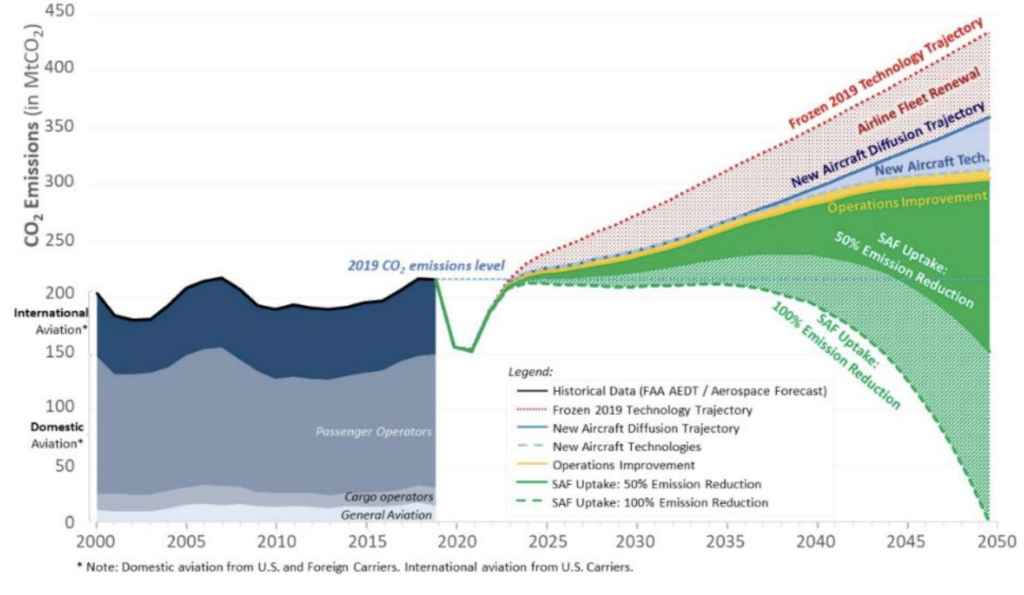
Figure 1. Analysis of future U.S. domestic and international aviation CO2 emissions (Credit: SAF Grand Challange Roadmap prepared by U.S. Department of Energy, U.S. Department of Transportation, and U.S. Department of Agriculture, in collaboration with the U.S. Environmental Protection Agency)
The Federal Aviation Administration (FAA) also introduced the United States 2021 Aviation Climate Action Plan to address the environmental impact. Their Action Plan includes a section of SAF where they identify the following actions: 1) continue support of critical government programs related to SAF, 2) create a multi-agency roadmap for the Grand Challenge, 3) implementation of SAP tax credits, and 4) catalyze bulk SAF purchases by military and other end users.
In order to expand SAF supply and end use, reduce the cost of SAF, and enhance the sustainability of SAF, the Grand Challenge Roadmap addresses six action areas to achieve these aims: 1) feedstock innovation, 2) conversion technology innovation, 3) building supply chains, 4) policy and valuation analysis, 5) enabling end use, and 6) communicating progress and building support.
SAF is defined as aviation biofuel that has been certified by a third-party to meet criteria of environmental, social, and economic considerations such as reducing carbon footprint of jet fuel and not using food crops, prime agricultural land, or freshwater. Current certified processes include: 1) hydroprocessed Esters and Fatty Acids Synthetic Paraffinic Kerosine (HEFA-SPK), 2) Fischer–Tropsch Synthetic Paraffinic Kerosene (FT-SPK), 3) synthesized kerosene isoparaffins produced from hydroprocessed fermented sugars (SIP-HFS), 4) synthesized kerosene with aromatics derived by alkylation of light aromatics from non-petroleum sources (SPK/A), and 5) alcohol-to-jet synthetic paraffinic kerosene (ATJ-SPK). These methods can use renewable carbon sources such as recycled oil, plant-based biomass materials, and wet waste-derived feedstock from various industries. Essentially, these processes reform the hydrocarbons of the chosen feedstock into alkanes, the straight-chain hydrocarbons comprising jet fuel. There is room for more innovation in SAF production, such as using solar radiation as an energy source in conjunction with a Fischer-Tropsch process (Figure 2).
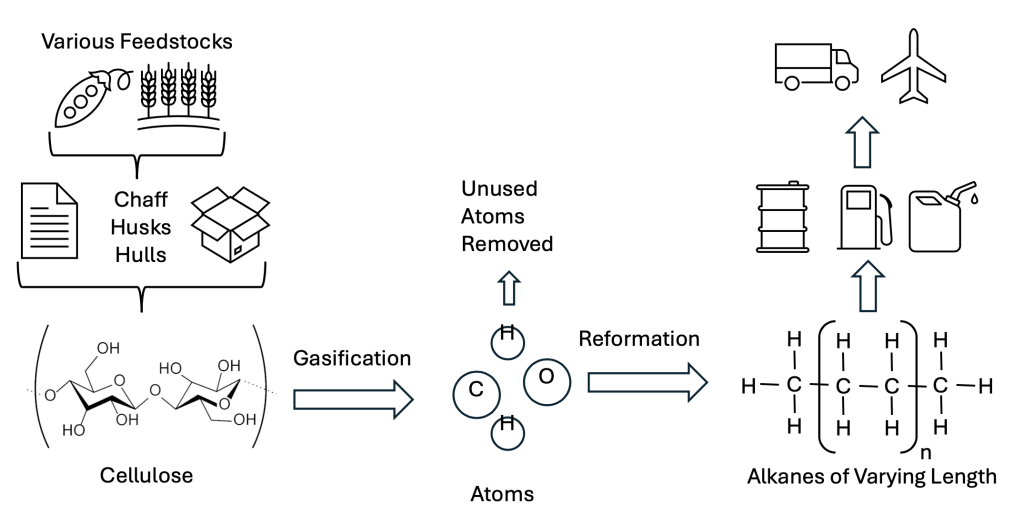
Figure 2. General process of producing Sustainable Aviation Fuel (SAF)
One of the biggest challenges in these processes is the impurities from the biomaterials that must be removed or scrubbed between the gasification and SAF processing steps. Depending on the feedstock, the cleanup may require particulate removal, COS hydrolysis, mercury/toxics removals, acid gas removal, sulfur recovery, tail gas treating, water gas shifting, and hydrogen production.
Our Method
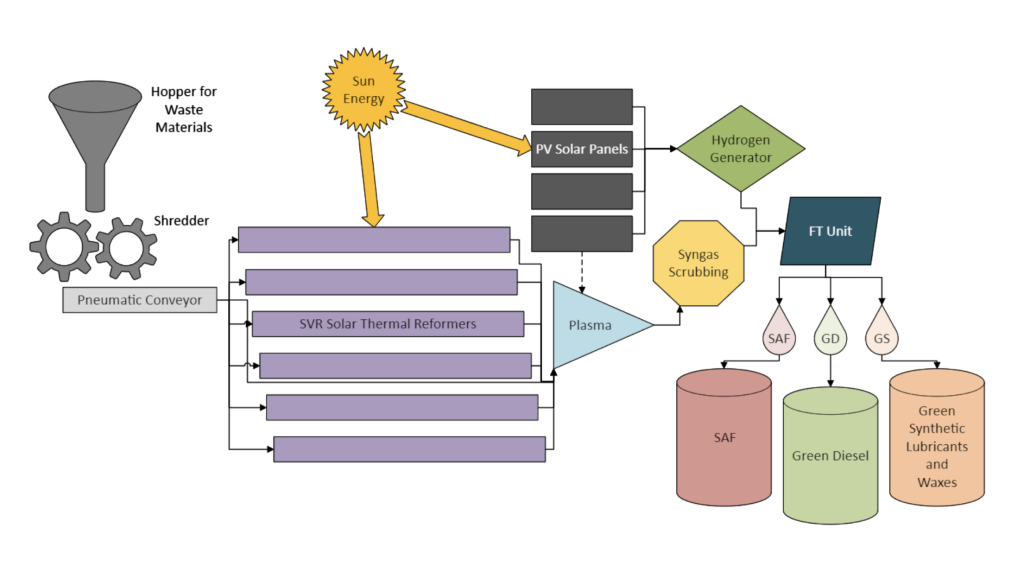
5 Element Energy contributes to the Great Challenge by developing and implementing SAF-producing facilities that harness energy from the sun to convert various biomaterials to fuel and other products (Figure 3). Biomaterials can include crop byproducts, cardboard packaging, and materials that are not easily recycled.
Figure 3. 5E Energy Sun-to-SAF process
The first step in the process is to mechanically shred incoming material, allowing for more exposed surface area to enable subsequent gasification steps. The power for this and subsequent steps can be powered by energy captured by solar panels.
A second way to utilize solar energy is directly with Solar Vaporization and Reformation (SVR). In SVR, the shredded material is fed into a pipe that is centered at the focal point of long, parabolic mirrors. By concentrating sunlight along the length of the pipe, temperatures upwards of 1500 °F (815 °C) can be used to break down and vaporize the material as the first gasification step.
The vaporized material is then fed into a plasma torch to further break down the vaporized material into its atomic components, breaking any previous bonds, thus completing the gasification steps. As the material coming off the plasma cools, new bonds can form, resulting in a syngas comprising CO and H2 that can be processed further.
Because biomaterials contain more than just carbon and hydrogen (the only components for jet fuel), other byproducts form as well. Some byproducts will create solid particulates which can be physically removed from the gas stream and used as slag. Other byproducts like NOx and SOx are serious pollutants if allowed into the environment. To eliminate the output of these, a few cleanup steps that can be used to remove them from the gas stream (as mentioned above) and convert them to more useful products such as nitric acid and sulfuric acid.
Before the final step in SAF production, the ratio of CO and H2 must be adjusted to allow for all carbon to be converted to alkanes. Because the H:C ratio in biomaterial is lower than that of alkanes, more H2 gas is introduced to the system by the electrolysis of water.
The final step utilizes a Fischer-Tropsch process to convert syngas to alkanes via catalysis. Because the resulting alkanes vary in length, they are separated by molecule size to be used as either SAF, Biodiesel, or “green” waxes and lubricants. These products can be shipped by truck, rail, or ship to consumers, depending on the location of the facility (Figure 4).
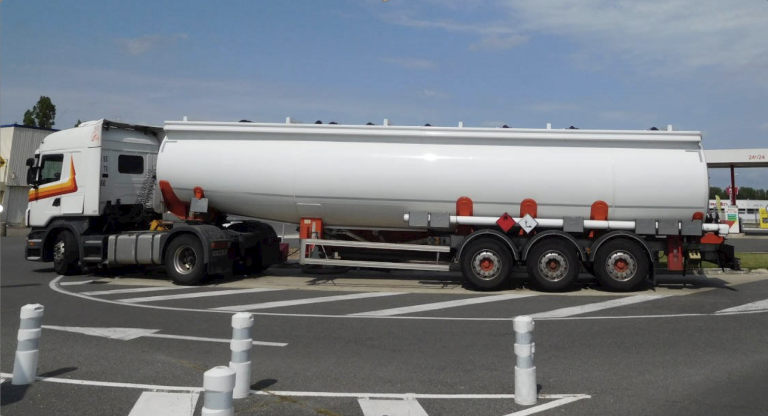
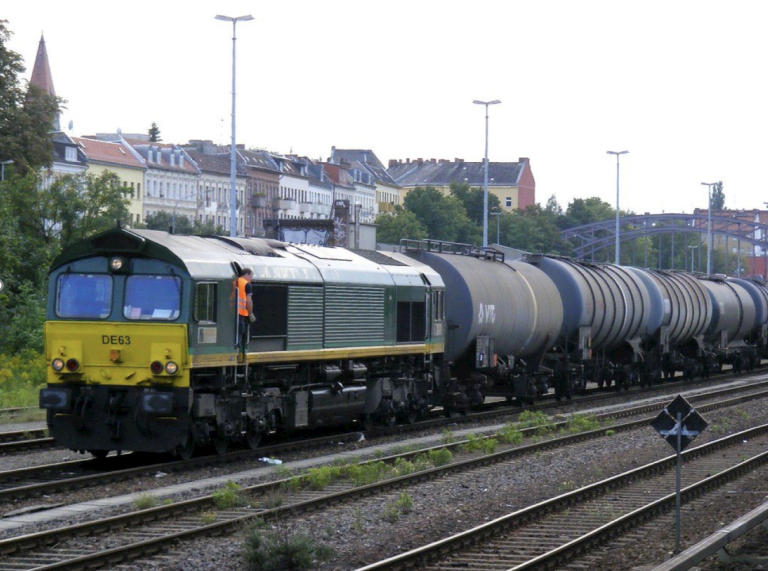
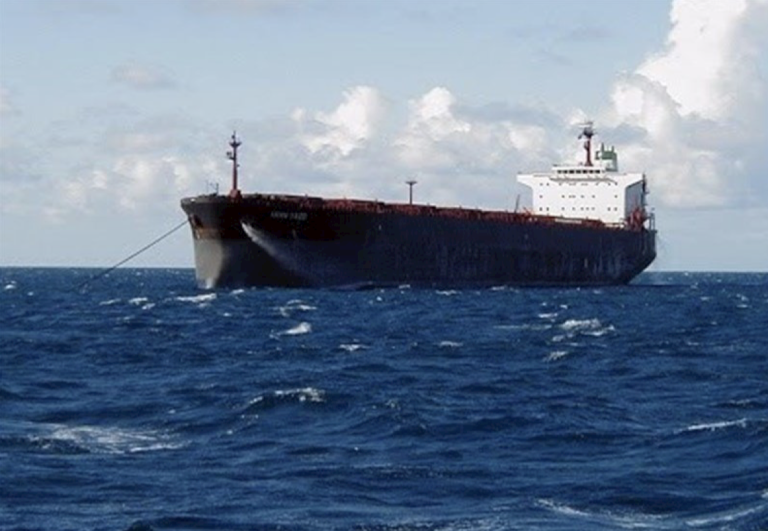
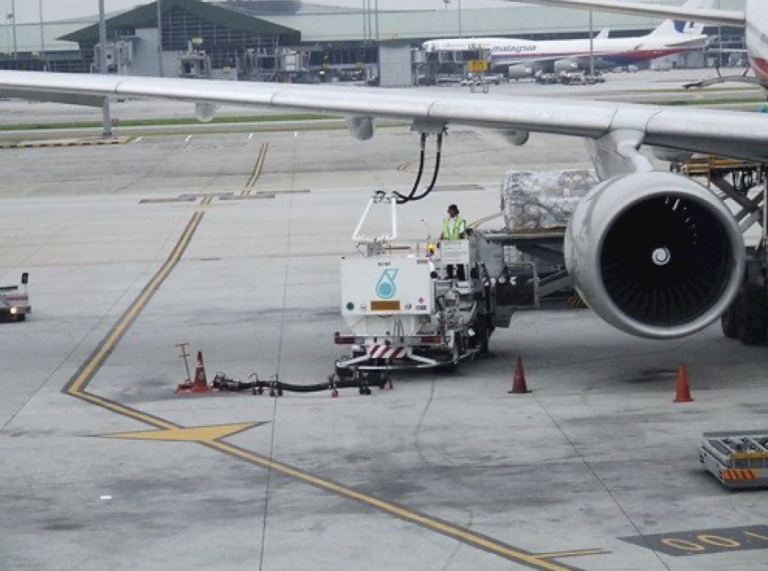
Figure 4. Transporting SAF by truck, rail, or ship to be used for carbon-neutral flights
The Benefits
The benefits of this type of facility will help meet the milestones of the Grand Challange in preserving environmental quality, reduce demand on existing waste management infrastructure, and improve economically depressed areas.